
Medicine - Health
Why should I wear sunglasses
Sunglasses protect the eyes from the effects of ultraviolet rays, limiting the risk of diseases such as
Browse ScienceInfo articles and explainers related to Ultraviolet Rays.
47 published items.
Sunglasses protect the eyes from the effects of ultraviolet rays, limiting the risk of diseases such as

Vitamin B12 deficiency can cause blurred vision or double vision. Ultraviolet rays can burn the cornea, damage the lens and retina, increase the risk of cataracts.

Sunscreen is not only a shield that protects the skin from ultraviolet rays but also contributes to preventing the appearance of some visible signs of age on the skin.

Japanese scientists have discovered that human eyes prone to ultraviolet rays damage when skiing than when sunbathing on the beach.


Even when there is no sunlight, the effects of ultraviolet rays (also known as UV rays) from the sun can cause deadly consequences, US researchers said.

Historically, monoclonal antibodies have been shown to be effective against cancer, but what hinders treatment is that they can also attack healthy cells. , British scie…
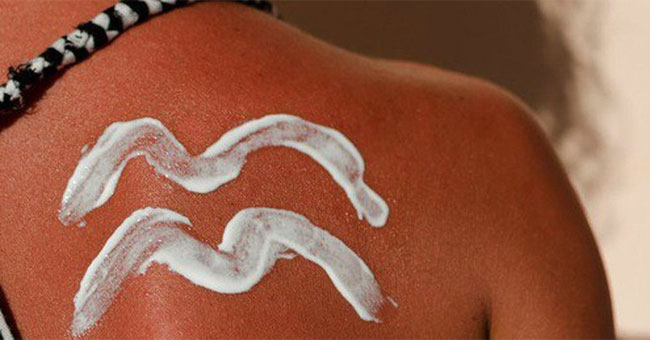
Ask all the beauty experts and dermatologists in the world to see what is the first thing you need to do before you go out on the street during the day? Definitely apply…
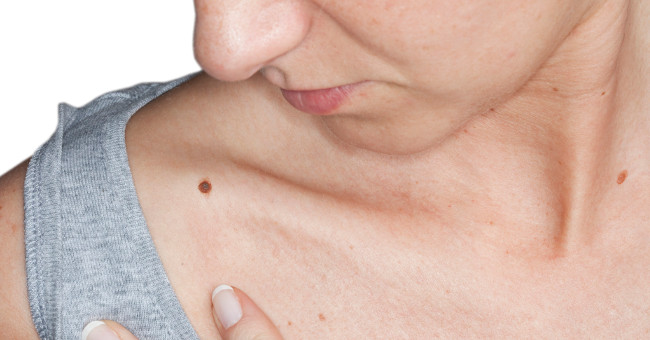
Continuously exposed to the sun without self-protection, Judy Cloud, 49, of the United States, has skin cancer and decides to share the impact of the disease on the body…
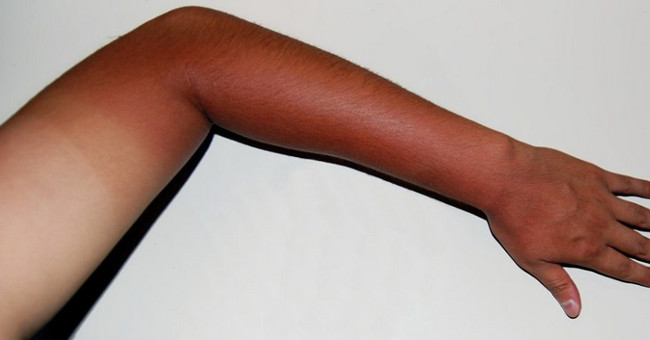
One of the reasons we have to avoid going out on hot days is

The hot days make people's lives turn upside down. In Ho Chi Minh City, UV index (ultraviolet rays) is quite dangerous.

The latest research shows that pilots and crews face twice the risk of skin cancer compared to normal people.

A cup of coffee a day can help prevent skin cancer. A new study shows that caffeine helps eliminate human cells damaged by ultraviolet rays, which is one of the key poin…

Microsoft is preparing to license the patent for touch screen sterilization technology, Engadget technology page (USA) reported on February 22.
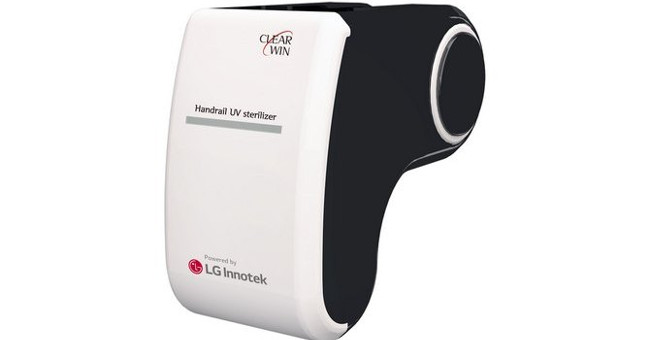
Elevator escalators are always one of the places that contain many bacterial pathogens by the thousands to thousands of people touching hands.